Bhoomi · Aerospace Engineer
Pushing the boundaries of hypersonic aerodynamics, UAV development, and multidisciplinary engineering systems. From Mach 5+ waveriders to structural analysis — engineering the future of flight.
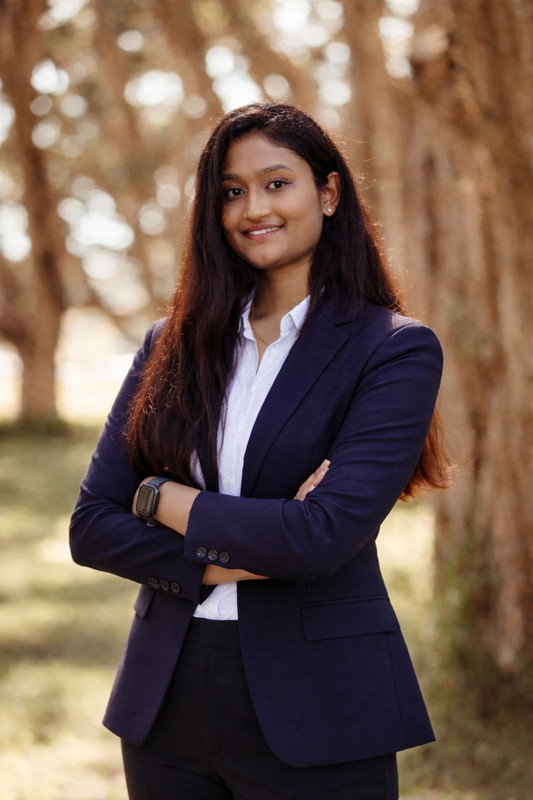
I'm Bhoomika Prasad, an Aerospace Engineering postgraduate at the University of Sydney, specializing in hypersonic aerodynamics, computational fluid dynamics, and multidisciplinary engineering systems.
My journey spans from conceptual design of hypersonic waveriders at IISc to hands-on UAV construction with full structural and electrical integration. I've published research at the 25th AIAA International Space Planes and Hypersonic Systems Conference and contributed to cutting-edge projects at some of India's finest research institutions.
I thrive at the intersection of theory and practice — running CFD simulations, optimizing aerodynamic geometries, and building things that actually fly.
From hypersonic flow simulations to hand-built UAVs — engineering challenges that span theory and physical construction.
Performed comprehensive CFD simulations on N1G missile geometry to assess aerodynamic transitions across the supersonic-to-hypersonic Mach number regime. Applied shape optimization techniques using ANSYS Fluent to improve aerodynamic efficiency and reduce drag for high-speed flight. Results presented at the 25th AIAA International Space Planes and Hypersonic Systems and Technologies Conference.
Internship project at the Indian Institute of Sciences focused on designing a wave-rider body and inlet system suitable for high-speed cruise at hypersonic regimes. Investigated shock wave attachment conditions and inlet performance optimization for sustained Mach 5+ flight.
Designed and physically built two UAVs incorporating full structural and electrical system integration. Hands-on experience with airframe construction, avionics wiring, propulsion system selection, and flight testing. Each build represented end-to-end engineering from concept to airworthy prototype.
Ongoing materials research studying epoxy-PCAL composite systems with varying glass fiber (GF) and carbon fiber (CF) orientations. Investigating the thermomechanical properties and shape recovery characteristics relevant to adaptive aerospace structures and morphing wing applications.
Whether you're looking for a driven aerospace engineer, a research collaborator, or someone to help push the limits of what's aerodynamically possible — I'd love to hear from you.